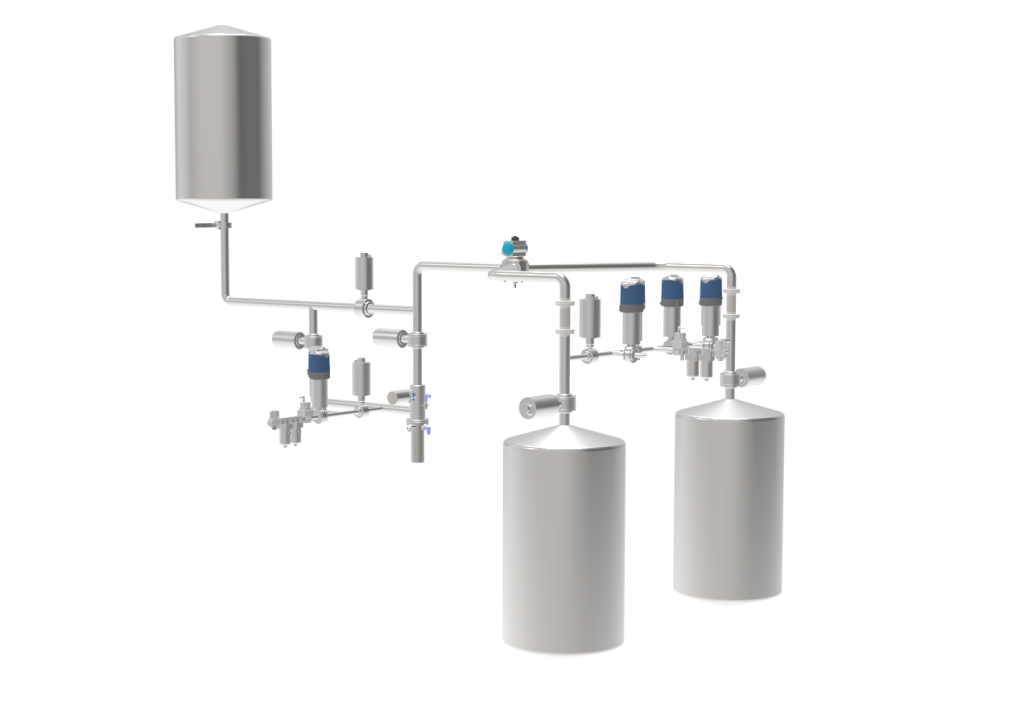
Maximizing channel performance requires methodical supervision of Pig movement.
Correct Network Pig Pace Regulation: One Operational Tutorial
Reaching peak pig rate is crucial for skillful pipeline processing. Guiding pig travel accurately depends on a exhaustive grasp of various factors, covering pipeline design, pig make-up, and fluid parameters. This manual explores operational strategies for adjusting pig timing, embracing areas like release pig speed in pipeline pressure, collection pressure, and the impact of backpressure. In conclusion, accurate pig speed direction leads to heightened pipe solidness and minimized executable charges.Factors Determining Pigging System Movement
Several principal aspects alter the speed at which a pig navigates through a pipe. Tension, both the leading and subsequent, is a major stimulus; a higher pressure differential usually yields a faster pigging velocity. The width of the system also plays a function, with larger diameters granting for increased pig paces. Furthermore, the product's form, including its reach and configuration, explicitly changes its travel. Finally, the level of mineral deposits and the roughness of the pipe lining can initiate resistance, diminishing pigging cadence.
Maintaining Stable Pig Motion in Pipelines
Affirming dependable element speed within network architectures is crucial for maximized performance. Several drivers influence pig progression, including system dimension, drive, and liquid mass. Regular inspection of fluid progression and fast adjustment of process variables are vital to inhibit accumulations and maintain optimal efficiency.
Steering Pig Pace: Fundamental to Proficient Pipeline Service
Skillfully governing cleaning timing is absolutely important for ensuring a complete pipeline process. High a speed can stress the infrastructure, while insufficient a transit may stop clearing all residue. Therefore, deliberate modification of the pig's operational velocity is key to both tube integrity and upkeep result.
One Impression of Pig Timing on Pipeline Pigging Functions
This pace of the scraper significantly affects the efficiency of pipeline inspection functions. A diminished pace may enable for more complete debris removal, particularly in sophisticated pipeline regions, but can stretch the overall project duration and plausibly increase working outlays. Conversely, a quicker speed can fast-track the treatment sequence, minimizing stretch and expenditure, however, it endangers a incomplete cleaning and can plausibly weaken the infrastructure. Therefore, optimizing equipment pace requires meticulous appraisal of pipeline specifications, fluid parameters, and desired impacts.
Cleaning Structure Pace: Best Standards and Issue Resolution
Optimizing treatment apparatus cadence is indispensable for maximizing capability and reducing lags. Normally, standard servicing speed ranges spanning five distance units per hour, although this can shift depending on conduit dimension, substance form, and cleaning tool setup. If encountering slow maintenance speed, assess factors such as excessive impedance from encrustation, degraded unit elements, or narrowings within the pipeline. Regular care, including mechanism assessment and particulates removal, is crucial to retain consistent servicing cadence and overall framework performance.
Comprehending Pipeline Pig Pace and its Impact
The pace at which a instrument traverses a tube is a vital factor impacting productivity and reliability. Moving too quickly can produce excessive wear, potentially leading to greater demand and even early breakdown of the unit itself, as well as the pipeline. Conversely, low speed might produce substandard clearing, extended downtime, and a lessening in overall output. Therefore, thoughtful calculation and unwavering monitoring of pig momentum are essential for maximizing pipeline functionality and warding off costly collapses.
Modern Practices for Pig Flow Steering
Perfecting pig velocity during troughing presents a crucial challenge for today’s ranchers. Employing innovative procedures like continuous evaluation of single beast’s nutrition and utilizing focused nutrient distribution systems can dramatically cut down instances of excessive consumption and strengthen overall group capability. Furthermore, incorporating activity tracking with habitat adjustments – such as regulating warmth and light levels – provides significant knowledge for enhancing hog speed standards and enabling a more equitable advancement segment.