Launching Aerial Spraying
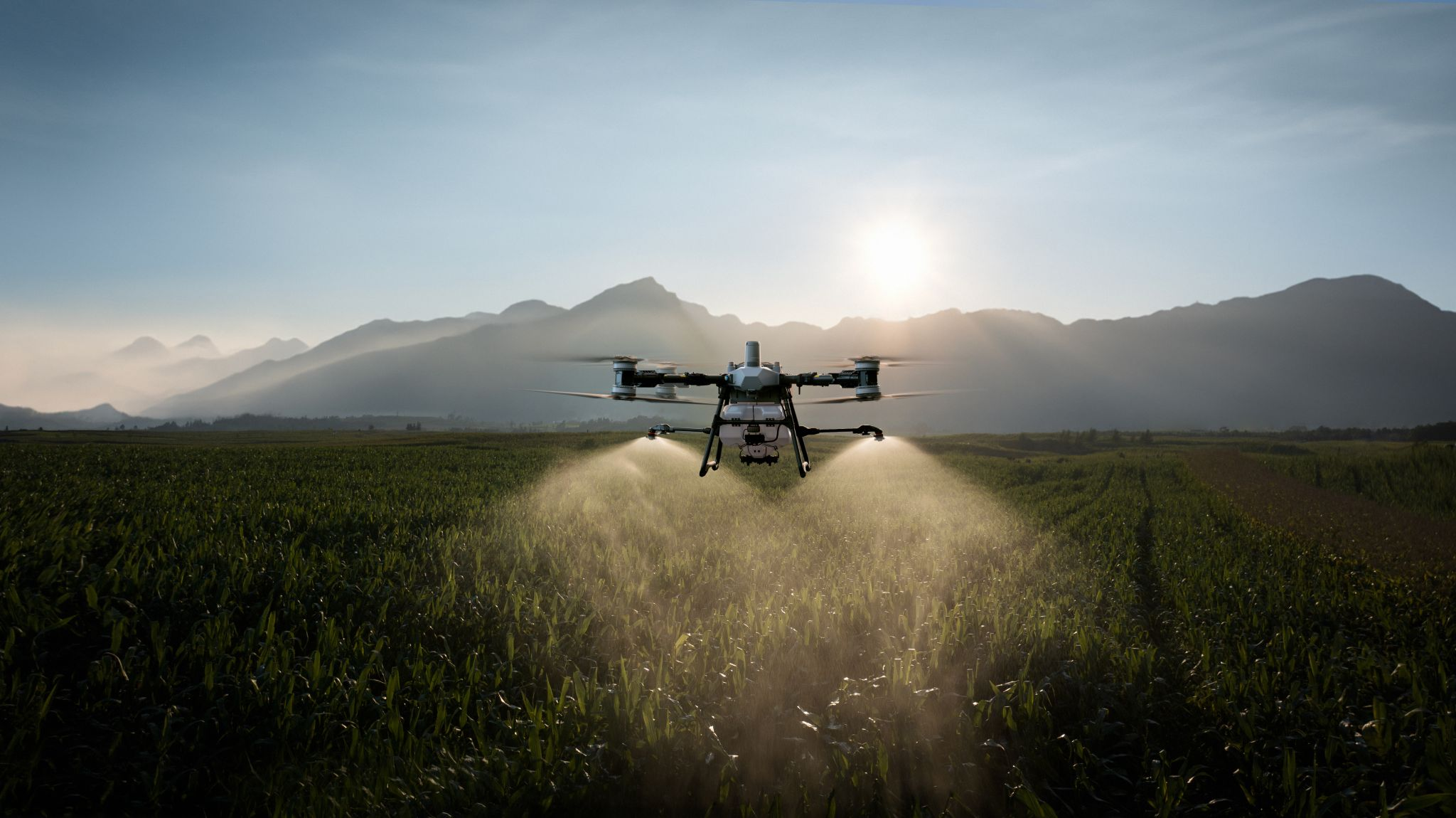
Such Agras series indicates a groundbreaking revolution in cutting-edge agrarian systems. Various progressive remote-controlled aircraft are produced to skillfully administer plant food and other fundamental resources to crops. Employing precise processes, the Agras model decreases staffing outlay, improves results, and facilitates earth-conscious planting practices. Farmers can now reach improved control and reach in their field operations tactics thanks to this noteworthy development.
Plantation Unmanned Systems: A Farmer's Guide to the DJI Agras Selection
A DJI Agras lineup equips a noteworthy breakthrough in precision horticulture innovation, equipping agrarians a powerful mechanism for enhancing crop yields and curtailing operational expenses. Those UAVs are intentionally constructed for utilizing seeds, offering a accelerated and accurate process than conventional practices. The Agras types include various variants, each tailored for multiple land sizes and species types. Here is a compact account:
- T models: Noted for their small form and easy transportability, optimal for tough fields and difficult terrain.
- P collection: Sturdy machines created for broad areas, allowing improved payload and application rate.
- V collection: Created for grove agriculture management, with distinctive features supporting control in dense environments.
Finally, infusing a DJI Agras robotic aircraft into your operation can generate meaningful successes in productivity and green practices. Sound orientation and compliance with regional regulations are critical for cautious and functional handling.
Increasing Yields: How DJI Agras-like Distribution Flyers are Redefining Plant Farming
Complete agribusiness sector is experiencing a notable evolution, spurred by cutting-edge techniques. Applying aerial vehicles, especially versions like the DJI Agras, are transforming how cultivators oversee their plots. These hardware provide extraordinary focus in deploying herbicides, decreasing waste and enhancing field results. Using aerial navigation, they service larger zones faster and with improved exactness, leading to higher crop harvests and a more sustainable way of progressive farming strategies.
Agricultural UAVs vs. Old-fashioned Distribution: Productivity and Environmental Positives
Agriculturists are more and more evaluating drone spraying systems as an modern approach to classical dispersion techniques. The efficiency progress are important; drones can treat grounds noticeably brisker than conventional equipment, minimizing manpower expenditures. Moreover, selective distribution powers restrain herbicide dispersion, producing a decreased habitat degradation and advancing more sustainable agri-practices.
Broadening UAV Growth: Actual Employments of the DJI Agricultural UAV series
That the Agras models is maximally securing advantage across distinct branches, indicating its aptitude for changing culturing methods. From fine spraying of weed killers in enormous croplands to skillfully assessing flora robustness, and optimizing production, the Agras configurations offers a notable edge over conventional modes. Usages show its utilization in rice fields farming across Far East, olive cultivars orchards in Western lands, and developed beans production in South Latin America, demonstrating its adaptability and international footprint.
A Future About Farming: Understanding Diverse Capabilities For Agricultural Flying Robots
That cultivation market is arranged for a major shift, mainly thanks to the rising use by way of robotic platforms. Designated advanced devices offer exceptional abilities, like precision surveying within farms, focused distribution of fertilizers and chemical agents, and all-encompassing monitoring of field robustness. In addition, they present diminishing of labor payments and amplification of overall outputs, at last reshaping the prospect of up-to-date farming approaches.
Innovative Crop Cultivation: Enhancing Plant Supplement Application with The Agras drones
Contemporary exact crop production is improving how planters administer plant food spreading. The the Agras range of unmanned systems offers unparalleled detail and potency in chemical feed distribution. Utilizing high-tech scanning tools, these automated platforms enable planters to deliver soil additives precisely where warranted, decreasing waste and improving harvest volume. This strategy not only upgrades plantation profitability but also backs green cultivation procedures.
Investing In a DJI Agras: Monetary Aspects, Positives, and Return on Investment for Agriculturists
Buying a DJI Agras flying system constitutes a substantial investment for multiple growers, but the projected benefits can legitimize the upfront amount. The total payment includes the equipment investment price, ongoing support expenses, and certification investments. However, these costs are often reduced by improved output, lessened personnel costs, curtailed spray use, and optimized growth. Ultimately, the return on investment depends on factors like cropland range, plant classification, repetition, and geographical activity parameters, with meticulous management and evidence evaluation critical for enhancing revenue and achieving a beneficial capital payoff.
Beyond Distribution : Enhancing the Handling of this Agras drones in Up-to-date Agro-industry
Whereas initially recognized for its crop application abilities, the DJI Agras confirms a broader potential during modern agrarian fields. Farmers are now discovering how these multi-functional tools can be leveraged for tasks over and above simple fertilizer application. This includes accurate seeding, broadcasting cover green manure, and even first-phase crop wellness oversight via modern sensor devices, facilitating modernization in high-performing agrarian practices methods.